The More AI Writes, The More Human Thinking Matters
Artificial intelligence is making content easier to create. But in doing so, it is quietly increasing the value of the things that are hardest to automate.
Emmanuel Ayeni — Senior Communications Executive
A few months ago, I asked AI to help me write something. In seconds, it produced headlines, article structures, alternative introductions, and even suggested how I should end the piece.
In fact, AI helped me finish writing this article. Yes, I said that — deal with it.
I don't belong to the school of thought that sees artificial intelligence as an enemy of creativity. Far from it. I think it is one of the most useful creative tools of our generation. It removes friction. It accelerates execution. It can rescue you from the tyranny of a blank page.
But every time I use it, I arrive at the same conclusion: AI may help me write, but it cannot help me live.
Across my career, I've been fortunate to write communications material for both local and international clients. In that time, and now in my capacity as Senior Communications Executive at 1204Studios, I have learned something that becomes truer with every project we touch.
The work that people remember rarely comes from information alone.
It comes from insight.
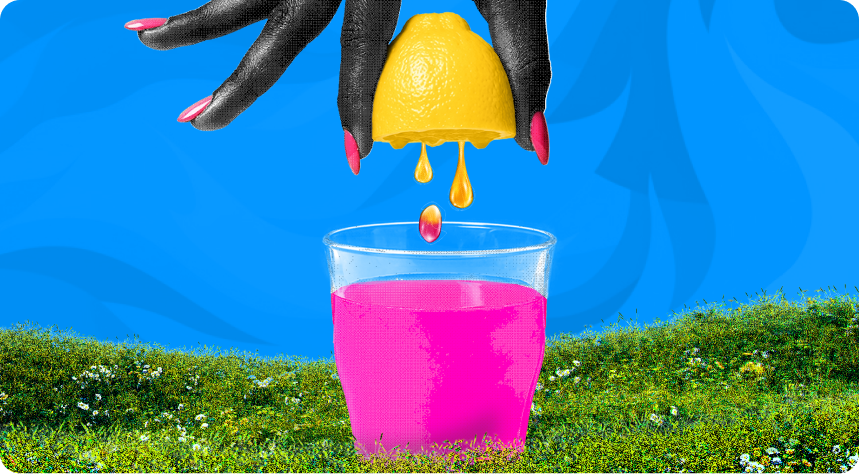
It comes from noticing something that other people have overlooked and presenting it in a way that suddenly feels obvious. Some of our most memorable ideas have emerged this way.
When Life Gives You Lemons, Make Them Pink
The line isn't really about lemons. It's an invitation to rethink the playing field entirely. Yes, life gives us circumstances. Yes, we can accept them as they are. But why should we? Why can't we challenge the assumptions, reinterpret the limitations, and create something entirely unexpected?
That is not an act of writing.
It is an act of perspective.
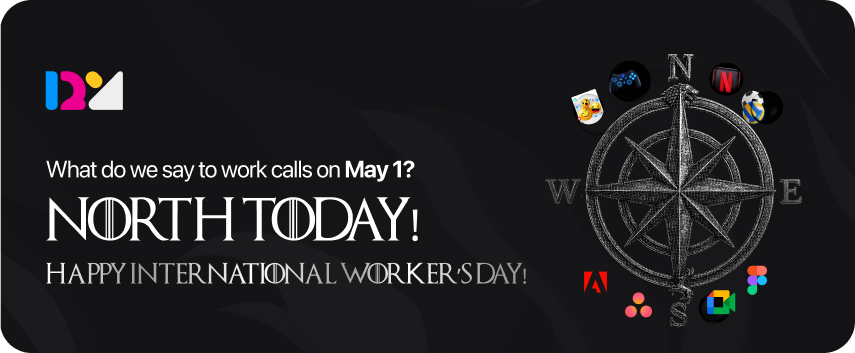
North Today
Or consider North Today, our Workers' Day campaign inspired by the famous Game of Thrones line, "Not today."
In the fictional world of Westeros, the North represents resilience, identity, and a certain rugged determination. By turning "Not Today" into "North Today" and building the campaign around that compass point and the ideas of enjoyment and reward, we weren't simply playing with words.
We were borrowing meaning from one world and transporting it into another.

That leap is deeply human.
It requires memory. It requires cultural awareness. It requires knowing that people don't just consume content. They bring their experiences, references, and emotions to everything they encounter.
I think this is what the AI conversation often misses.
The future challenge isn't going to be generating content. We have already made remarkable progress there.
The challenge is generating insight.
Because when everyone can write decent copy, decent copy will stop being remarkable.
What becomes remarkable is the ability to make connections that others cannot see. To take an old phrase and make it feel new. To take a fictional kingdom and make it relevant to workers in the real world. To look at lemons and imagine pink.
Ironically, artificial intelligence may end up increasing the value of precisely these human abilities.
Because the more machines become capable of producing words, the more we will value the people who know what to do with them.
Some of our strongest ideas have come from conversations that wandered unexpectedly, from noticing contradictions in consumer behaviour, from cultural observations that initially seemed insignificant, or from questions that had no obvious answers.
The process is messy, occasionally frustrating, but entirely human.
This is our 1204 superpower.
And it's why we've chosen to remain wonderfully, unashamedly, and stubbornly human.