The Best Design Lesson I Learned Wasn't About Design
Typography, colour, and composition matter — but they aren't where great design begins. What if the most important lesson had nothing to do with design at all?
Sodiq Ayilara — Brand and Motion Designer
"I used to think kerning could solve almost anything. It turns out it can't fix weak positioning."
When I started designing, I thought good work was mostly about execution.
I obsessed over typography, grids, spacing, hierarchy, colour, and composition. If every element aligned perfectly and every pixel had a purpose, I considered the project a success. Like many designers, I believed beautiful work naturally led to meaningful results.
It doesn't.
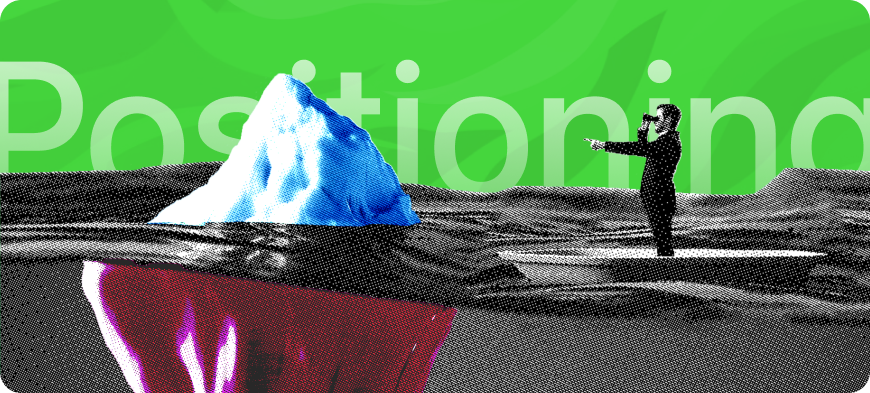
The biggest leap in my career didn't come from learning another design tool or chasing the latest visual trend. It came from studying marketing. Not advertising, but the discipline of understanding markets, people, and why they choose one brand over another.
Marketing didn't teach me how to design.
It taught me what design is actually for.
That single shift changed everything. I stopped opening Figma first and started opening a notebook. Before thinking about colours, logos, or layouts, I found myself asking different questions. Who are we trying to reach? What problem are we solving? Why should anyone care? What perception needs to change?
Those questions don't feel like design questions, but they determine whether the design will work long before the first screen is opened.
I realised clients weren't paying me for attractive layouts. They were paying for something much bigger. A startup wanted credibility. A restaurant wanted loyalty. A nonprofit wanted people to believe in its mission. Design wasn't the product. It was the medium through which those business goals became visible.
That perspective also changed how I thought about aesthetics. Typography stopped being just type. Colour stopped being decoration. White space stopped being empty space. Every decision became less about making something look beautiful and more about shaping how people feel, what they remember, and whether they trust what they're seeing.
Then AI arrived and reinforced the lesson.
Like many creatives, I wondered whether it would replace designers. Instead, it exposed something far more interesting. Execution was never the hardest part of design. Thinking was.
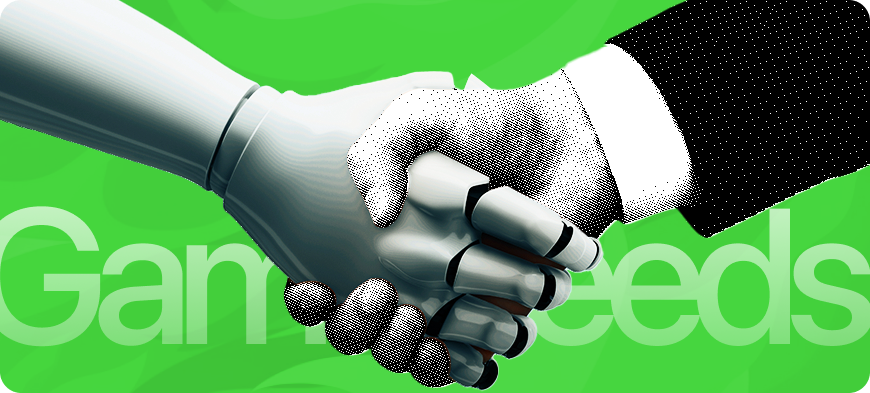
Today, almost anyone can generate a logo, social post, or campaign visual in minutes. That's impressive, but it also means execution is becoming increasingly accessible. When everyone has access to similar tools, the real differentiator is no longer who can produce the fastest design. It's who understands the audience best, frames the problem most clearly, and arrives at the strongest idea.
AI can generate outputs. It can't decide what is worth communicating. It can't uncover the insight that changes how people see a business. It can't replace curiosity, judgment, or empathy.
Ironically, the rise of AI has only strengthened my belief that the best designers are rarely just designers. They're researchers, strategists, observers, storytellers, and problem-solvers who happen to communicate through visuals.
That's also the philosophy we practise at 1204Studios. We don't begin with logos or layouts because brands don't succeed on aesthetics alone. We begin with questions, research, and positioning. We try to understand the business before deciding how it should look, because design shouldn't decorate an idea. It should reveal it.
Looking back, I still care deeply about typography, spacing, and craft. Good execution will always matter. But I've learned that no amount of beautiful design can rescue an unclear idea or a weak strategy.
The best design lesson I ever learned wasn't about design at all.
It was about understanding people.
Everything else became easier after that.